
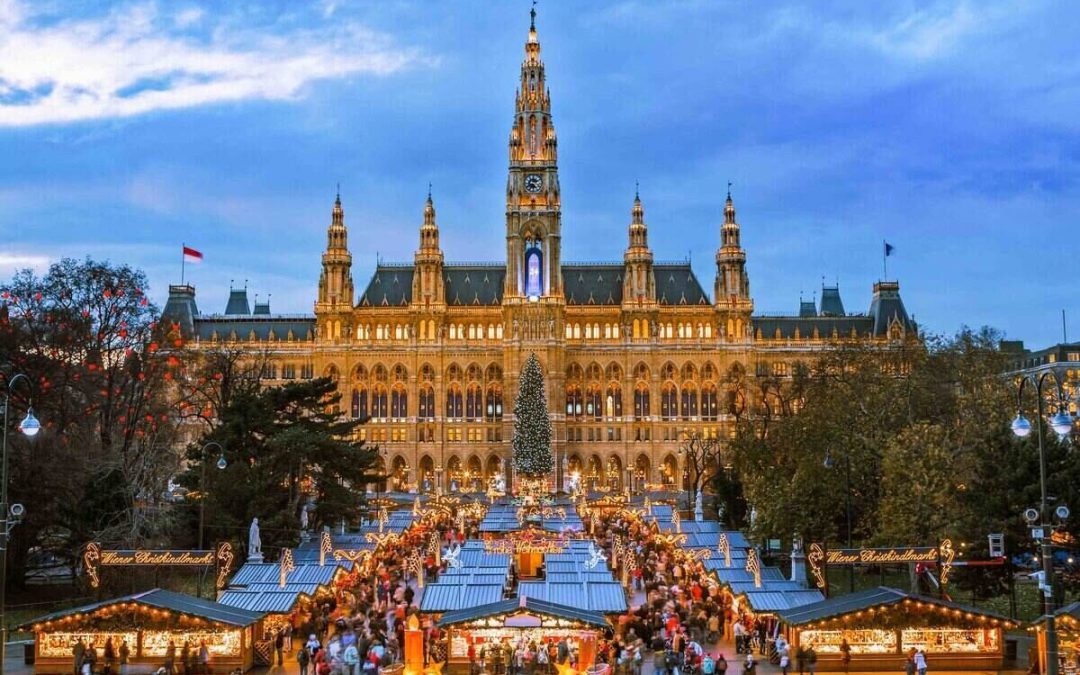
European Christmas Markets: A Quick Guide
European Christmas markets are undeniably magical: twinkling lights, wooden stalls, mulled wine warming your hands, and entire cities that feel straight out of a holiday movie. I’m planning a European Christmas market trip for next year, and I couldn’t resist putting together the ultimate guide for anyone dreaming of their own festive winter adventure.
History Behind the Christmas Markets
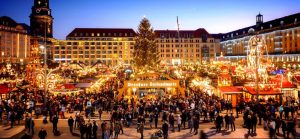
Often regarded as the first “proper” Christmas Market, the Dresden market was established in 1434.
European Christmas markets began in the Late Middle Ages, originally serving as winter marketplaces in German-speaking regions. One of the oldest, Dresden’s Striezelmarkt, dates back to 1434. Over time, these markets evolved from practical shopping hubs into festive holiday gatherings filled with mulled wine, seasonal treats, and handcrafted gifts. Today, they remain one of Europe’s most beloved winter traditions, celebrating community, culture, and the magic of the season.
Top 10 European Christmas Market Cities to Visit
1. Vienna, Austria
Vienna feels like Christmas itself. With multiple elegant markets set in front of palaces and historic squares, this city offers classic festive charm, traditional treats, and an unmistakably magical atmosphere.
2. Strasbourg, France
Often called the Capital of Christmas, Strasbourg is home to one of Europe’s oldest and most iconic markets. Timbered houses, thousands of lights, and Alsace traditions make this a must-visit.
3. Nuremberg, Germany
One of the most famous Christmas markets in the world, Nuremberg’s Christkindlesmarkt is known for its centuries-old traditions, red-and-white stalls, and iconic gingerbread.
4. Prague, Czech Republic
Prague’s Christmas markets feel straight out of a fairytale, especially in Old Town Square. Think Gothic architecture, massive Christmas trees, hearty Czech food, and a cozy, romantic vibe.
5. Cologne, Germany
With multiple markets spread throughout the city, including one set beneath its stunning cathedral, Cologne offers variety, festive energy, and classic German holiday food and drinks.
6. Budapest, Hungary
Budapest’s Christmas markets combine beautiful architecture with affordability. Expect handcrafted gifts, warm street food, and dazzling light displays, especially near St. Stephen’s Basilica.
7. Dresden, Germany
Home to the historic Striezelmarkt, one of Europe’s oldest Christmas markets, Dresden is rich in tradition and known for its festive pastries and charming old-town setting.
8. Colmar, France
Colmar is pure storybook magic. Smaller and more intimate than Strasbourg, this Alsace town features multiple charming markets woven through colorful half-timbered buildings.
9. Salzburg, Austria
With the Alps as a backdrop, Salzburg’s Christmas market offers an incredibly cozy and romantic atmosphere. It’s perfect for travelers who want classic Christmas charm in a smaller city.
10. Kraków, Poland
Set in one of Europe’s largest medieval squares, Kraków’s Christmas market is vibrant, cultural, and budget-friendly—a great option for travelers looking for festive experiences without the crowds.
Honorable Mentions
Copenhagen, Denmark • Bruges, Belgium • Zurich, Switzerland • Riga, Latvia
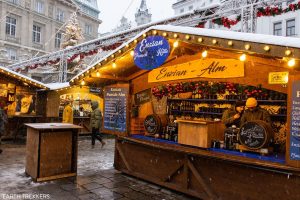
A Christmas Market booth in Vienna.
Feeling Overwhelmed?
Planning a European Christmas market trip can feel daunting with so many cities, markets, and experiences to choose from. One way to simplify your journey is to focus on a specific region or route instead of trying to see everything at once. European Christmas market river cruises are an excellent option, they handle the logistics while letting you visit multiple markets effortlessly, all while enjoying scenic views along rivers like the Danube or Rhine. You can find some great Christmas market cruises through Viking River Cruises!
When to Visit: Understanding Market Dates
European Christmas market dates aren’t fixed year to year, so it’s important to plan ahead. Most markets open in mid-to-late November and run through late December or early January, but the exact dates can shift slightly depending on the city and local traditions. Smaller towns may start earlier or end later, while larger city markets often close around December 24. To make the most of your trip, check the official market websites closer to your travel dates so you can plan around opening days, special events, and holiday closures! You can find all the information you need on sites like this one!
How to Start Planning Your European Christmas Market Trip
-
Pick 3–5 must-see markets to keep your trip manageable.
-
Consider a river cruise to visit multiple markets without worrying about transportation.
-
Set a comfortable pace! Don’t try to see everything in one day.
-
Leave room for spontaneity! Some of the best experiences happen when you wander off the beaten path.
-
Pack warm, comfortable shoes.. you’ll be walking a lot on cobblestone streets.
-
Budget for festive treats! Mulled wine, roasted chestnuts, and local pastries are part of the experience. 🙂
-
Check market dates in advance! They can vary slightly from city to city.
Europe’s Christmas markets are more than just holiday shopping, they’re an experience full of yummy treats, festive aromas, and local traditions that make winter travel truly magical. Whether you explore the historic squares of Prague, sip mulled wine along the Danube on a river cruise, or wander the cozy streets of Colmar, each market has its own charm and story to tell. The key is to plan thoughtfully, pace yourself, and leave space for spontaneous moments, you’ll discover that some of the most memorable experiences happen when you simply soak in the atmosphere. No matter which cities you choose, a European Christmas market adventure promises memories that will last long after the last candle is blown out.
If you’re looking for more travel inspiration or planning tips, don’t forget to subscribe to my email newsletter!
🎄Merry Christmas! Or should I say… Frohe Weihnachten!🎄
-flyGIRL